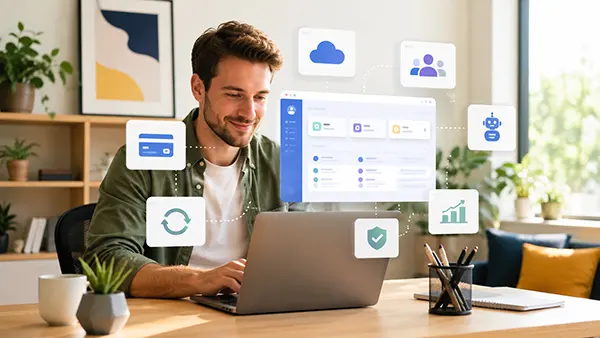
How to Earn Money from Home by Creating Onboarding Packages for Small Businesses
Working from home has become a stable and realistic way to build income, especially in service-based niches where businesses need practical solutions rather than full-time staff. One such niche is onboarding package creation. Small companies regularly hire new employees but often lack structured materials to help them adapt quickly. By offering onboarding systems as a remote service, you can build a consistent income stream without leaving your home, using only your organisational skills, clear writing, and an understanding of how businesses operate.
Why Onboarding Package Creation Fits Home-Based Work
Onboarding package creation is naturally suited to remote work because it relies on information gathering, structuring, and documentation rather than physical presence. Most small businesses already operate with digital tools, so all communication, interviews, and delivery can be handled online. This means you can work with clients from different regions without geographical limits.
Another advantage is the low entry barrier. You do not need expensive equipment or specialised software. A laptop, stable internet connection, and access to tools like Notion or Google Docs are enough to start. Compared to other remote professions, this makes onboarding services one of the more accessible ways to begin earning from home.
Demand is also growing. In 2026, many small businesses are hiring remotely and scaling quickly. Without proper onboarding, they lose time and productivity. This creates a clear need for structured onboarding materials, which you can provide from home as an external specialist.
What You Actually Deliver to Clients
Your work is not just writing documents. You are building a system that helps new employees understand their role, tasks, and expectations. This often includes welcome guides, step-by-step instructions, internal rules, and communication standards tailored to the company.
Everything is created based on real workflows. You collect information through online calls, voice notes, or shared documents, then transform it into structured content. The final result should be easy to navigate and immediately useful for someone starting a new role.
Most clients prefer digital formats that are easy to update. This means delivering onboarding packages as structured documents, shared workspaces, or internal knowledge bases. These formats are ideal for remote work and allow you to manage multiple projects from home efficiently.
How to Start Earning from Home in This Niche
To begin, you need a simple but clear starting point. Create one or two sample onboarding packages that demonstrate your ability to organise information logically. These can be based on fictional companies or adapted from real processes you already understand.
Next, focus on visibility. Many small business owners actively look for help with hiring and training. Platforms like LinkedIn, freelance marketplaces, and professional communities are effective places to present your service. A clear offer such as “I help small teams build onboarding systems remotely” makes your value easy to understand.
Consistency matters more than speed. Even a few clients per month can generate stable income when working from home. Over time, satisfied clients often return for updates or recommend your services to others, which reduces the need for constant outreach.
Pricing and Income from Home-Based Work
When working from home, your pricing should reflect both the value of the service and the time required to deliver it. Basic onboarding packages for small teams usually involve straightforward documentation, while more advanced projects include full process mapping and structured training systems.
In 2026, freelancers typically charge between £300 and £2,000 per project, depending on complexity. Working from home reduces your expenses, which means a larger portion of your income remains as profit compared to traditional office-based roles.
You can also create predictable income by offering ongoing support. Businesses often need updates when they hire new roles or change internal processes. Providing maintenance services allows you to build long-term remote partnerships rather than relying only on one-time projects.

Tools and Workflow for Efficient Remote Delivery
Working from home requires a structured approach to stay productive. Your workflow should be simple: collect information, organise it, and deliver it in a clear format. Each stage can be managed using widely available online tools.
Notion, Google Docs, and similar platforms are commonly used because they allow collaboration and easy updates. These tools also make it simple to share your work with clients and receive feedback without unnecessary delays.
Time management is essential. When working remotely, setting clear deadlines and dividing projects into stages helps maintain quality. This ensures that each onboarding package is detailed, accurate, and tailored to the client’s needs.
How to Grow a Home-Based Business in This Field
Growth comes from specialisation and reliability. Instead of working with any type of business, you can focus on a specific niche such as startups, agencies, or e-commerce companies. This allows you to understand their processes faster and deliver more relevant onboarding systems.
Another effective strategy is to demonstrate results. Clients are more likely to trust your service if you can show how your onboarding packages reduce training time or improve employee performance. Even simple case examples can strengthen your position.
Finally, maintaining clear communication is critical when working from home. Regular updates, structured feedback, and transparent timelines build trust with clients. Over time, this leads to repeat work and steady income without needing to constantly search for new projects.